

Centering health, connection, & care
Health Approaches
The approaches we’re promoting support individual and public health, respect human rights, and are always based in evidence. Scroll to see some of the most critical interventions that California needs to invest in to save lives.
-
These programs are backed by strong evidence, from case studies to randomized control trials. We urge investments into programs that work and divestment from money drains that cycle people from homelessness to jails to emergency rooms and back.
-
No person should ever be forced into a jail-like environment just for using substances. The approaches below center autonomy and emphasize voluntary, rights-based, and person-centered care.
-
People need on-demand, low-barrier, high-quality care that is tailored to their needs, experiences, and goals. Reducing barriers ensures that people can access the care they need, when they need it.
-
Person-centered and compassionate care is at the heart of health-centered approaches. By meeting people where they are and offering services that work for them, we can ensure that all Californians have access to the resources they need to thrive.
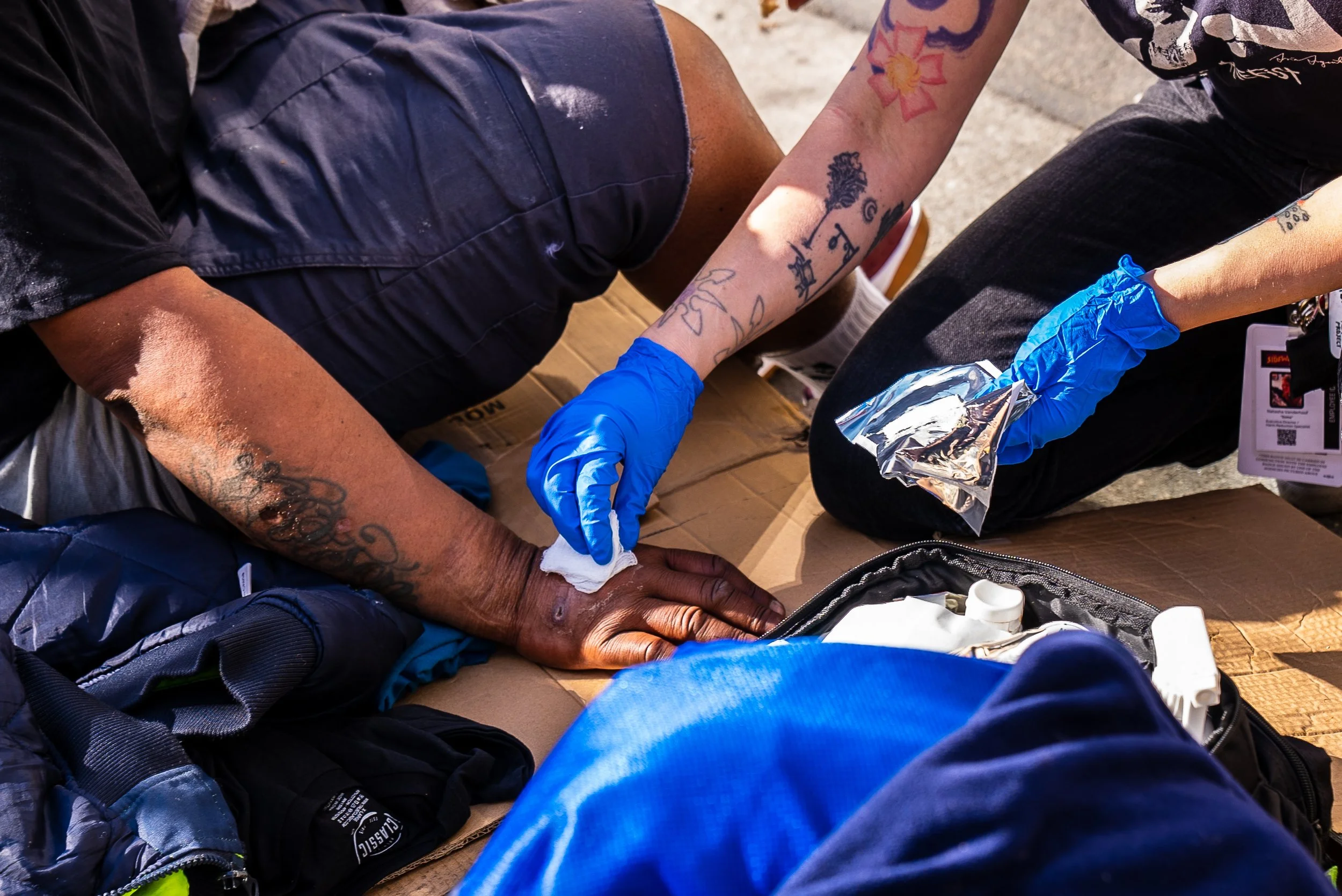
Street medicine
For people experiencing homelessness, getting healthcare can mean overcoming barriers that traditional healthcare systems are not designed to address. Street medicine flips that model—bringing care to people right where they are.

Low-barrier addiction treatment
Medication for addiction treatment (MAT), contingency management, and other forms of addiction treatment save lives—if people can access them.

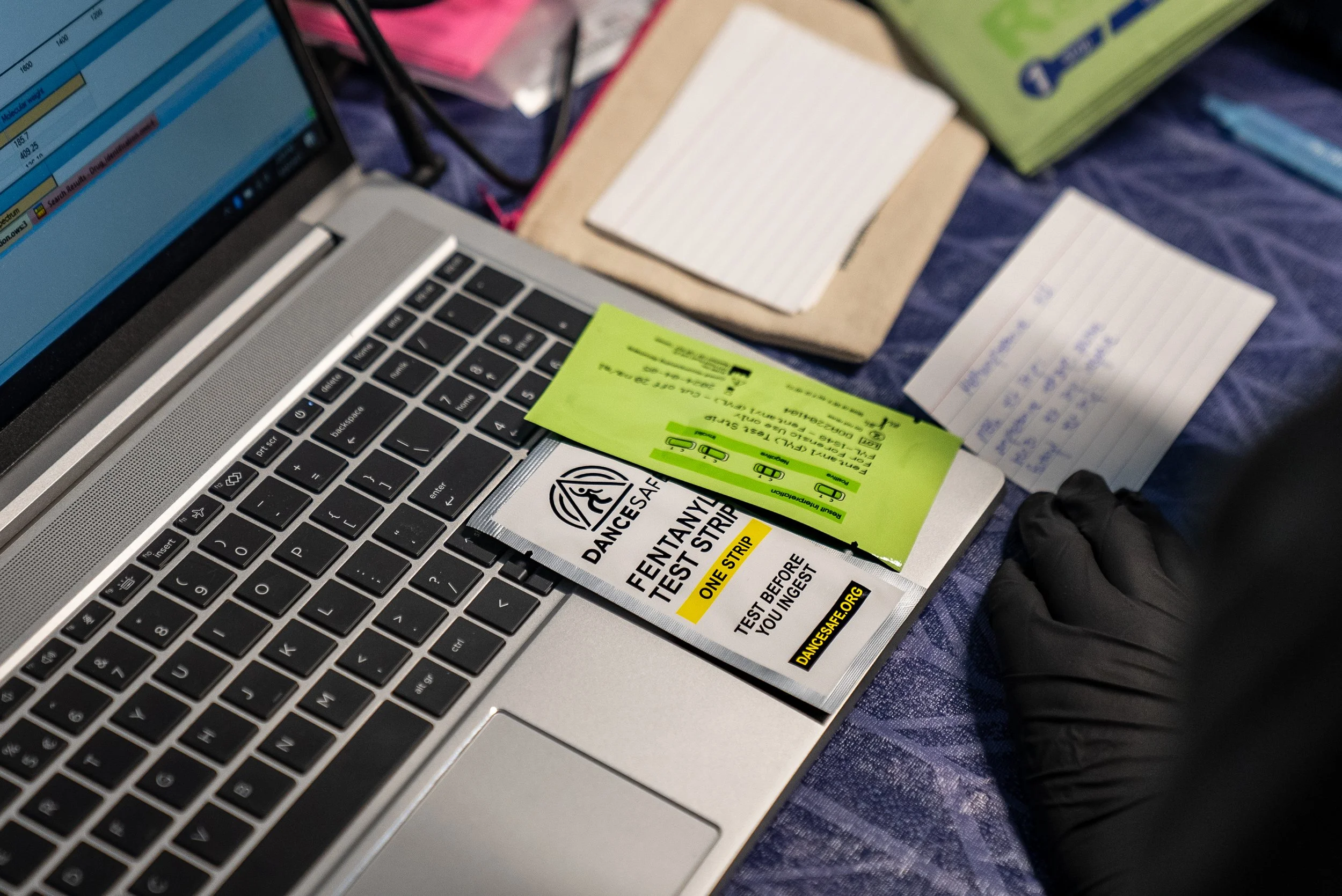
Drug checking
Drug checking is a simple way to reduce overdose deaths by giving people who use drugs the information they need to keep themselves safe.

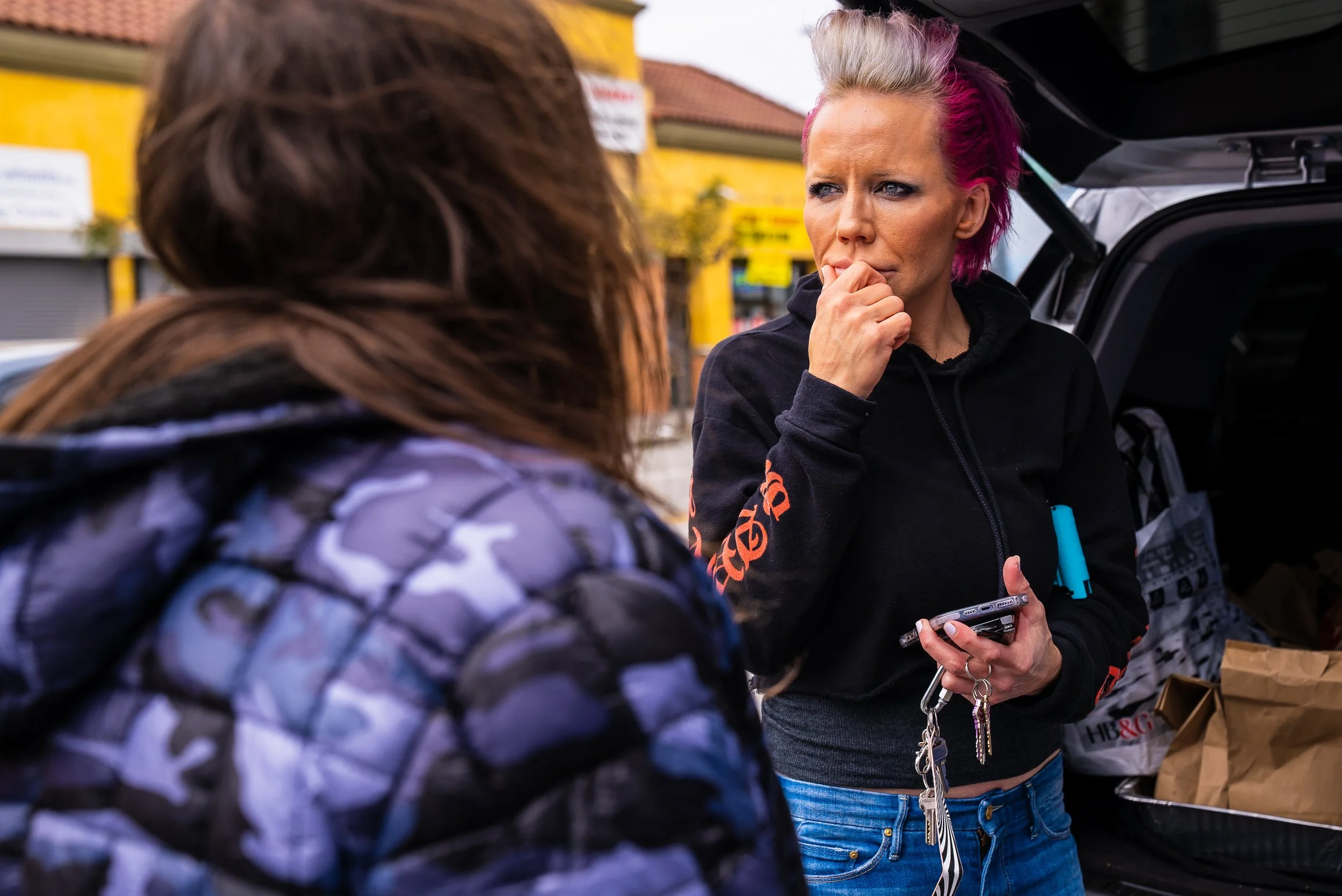
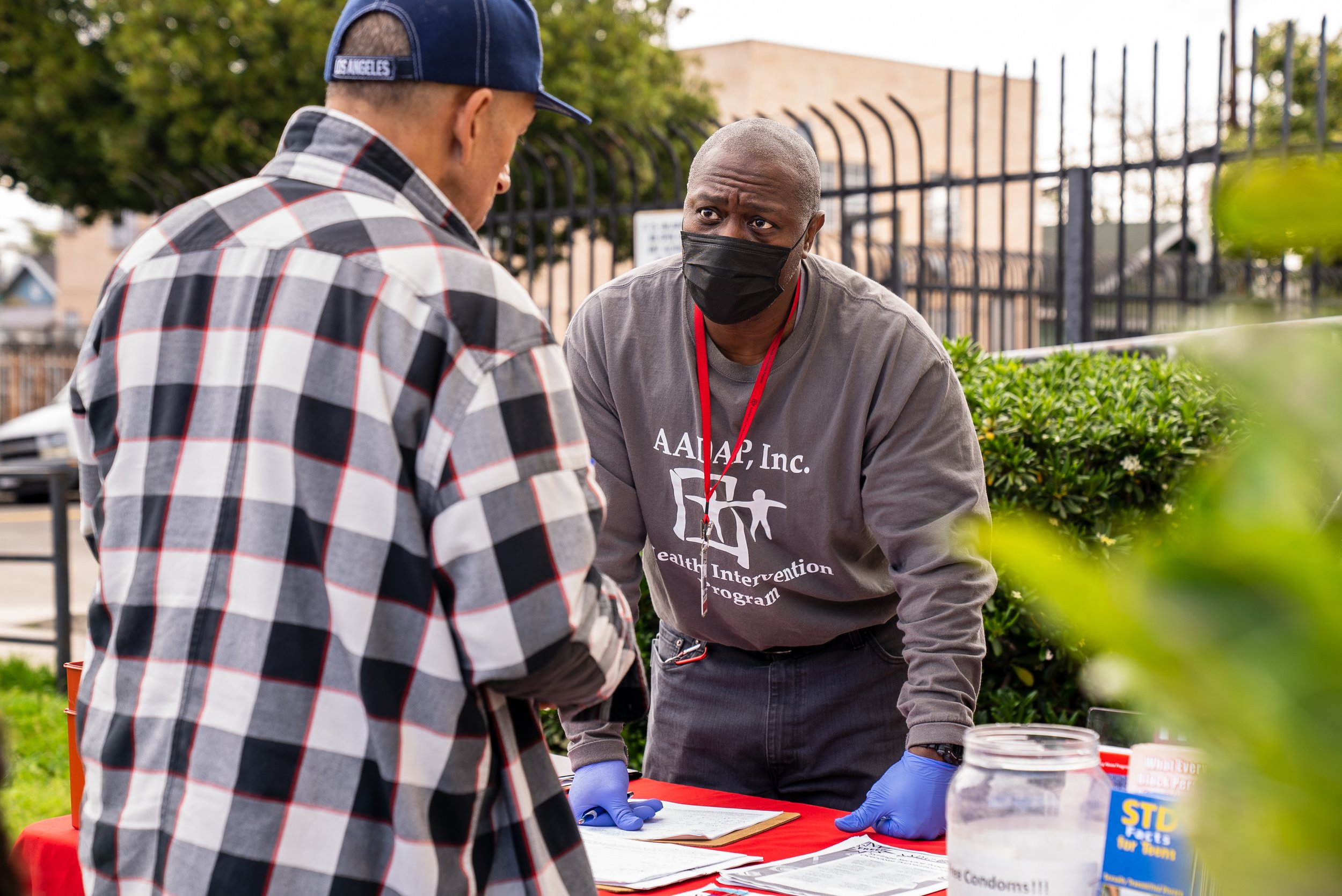
Peer-led outreach and harm reduction
Trusted frontline connections offer low-barrier support and resources that save lives, reduce fatal overdoses, and engage people in care.
Evidence-based prevention
Prevention curricula should center knowledge and youth agency, rather than the debunked “just say no” approach that propagates fear and misinformation.
Mobile crisis programs
Mobile crisis teams respond to individuals with resources and compassion, so people in crisis can call for help without fear of a police response.
Supportive housing
Supportive housing gives people recovering from challenges the stability and support they need to maintain housing and recover on their own terms.